
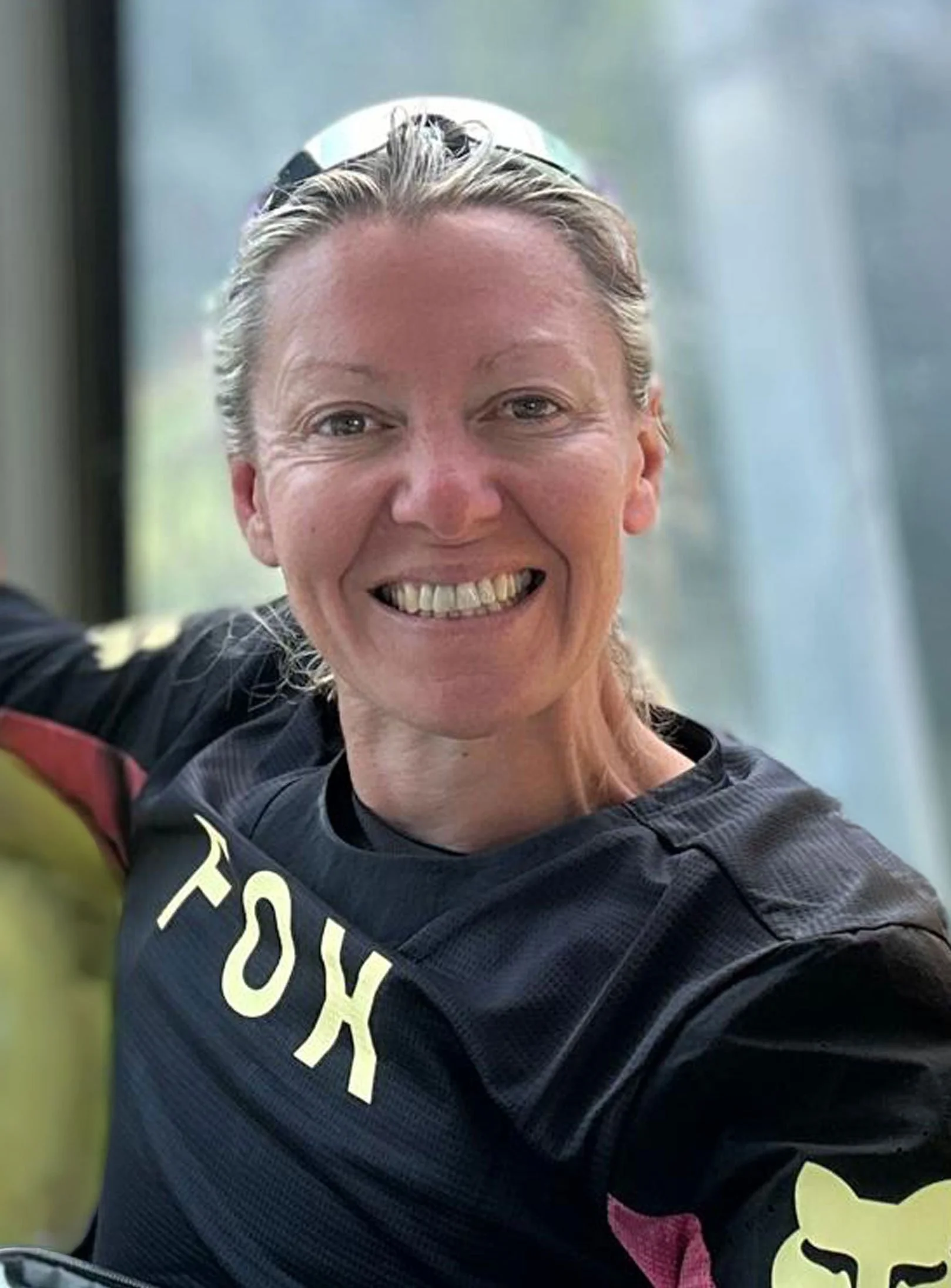
Hi, I’m Helen.
Qualified Coach.
Advanced Clinical Practicioner.
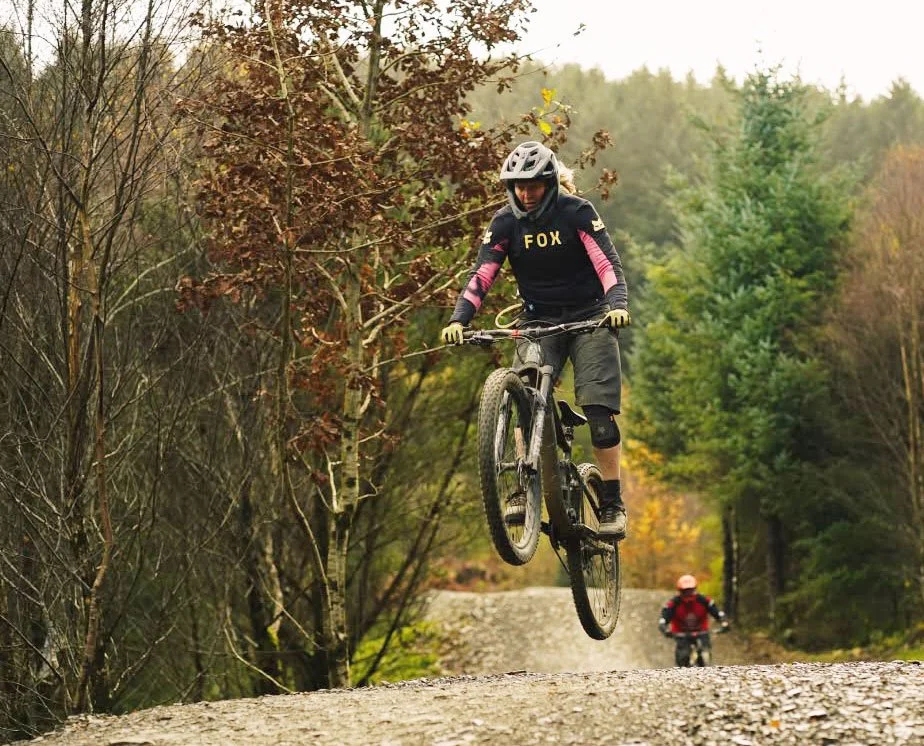
Passionate biker.
This is my story…
Imposter syndrome
When I began training as an RCEM Advanced Clinical Practitioner, I constantly questioned whether I truly belonged…“I’m not a doctor.”
That thought followed me everywhere into resus, into cardiac arrests, into moments where I was expected to lead, make decisions, and perform high-risk clinical skills that I never believed would be available to someone who started their career as a nurse.
Fear of judgement became internalised: “What if I get it wrong?” “You’re just a nurse.”
That fear created hesitation, avoidance, and eventually a cycle of self-doubt that I mistook for lack of ability.
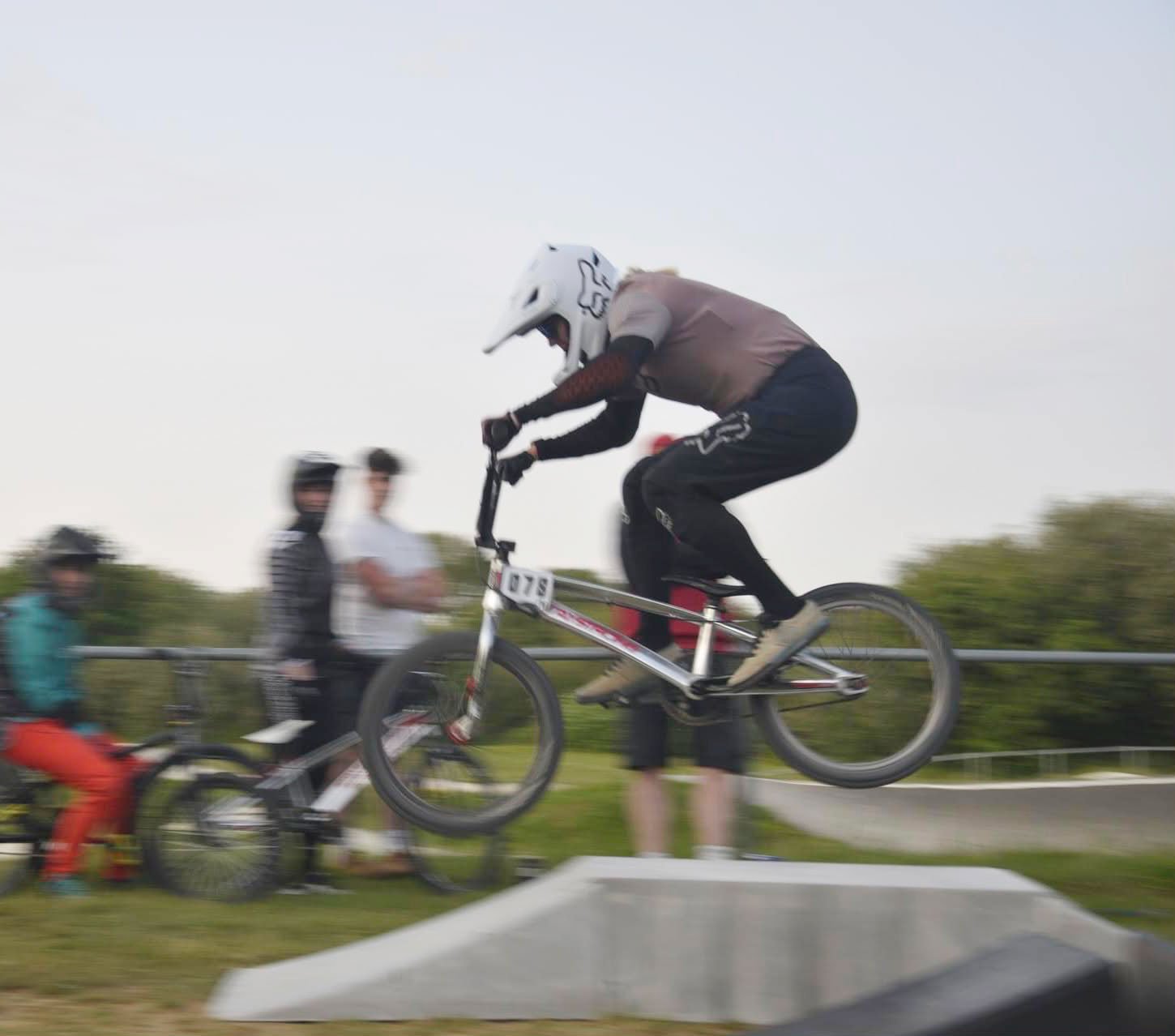
Halfway through my training, everything stopped. A serious BMX racing injury left me with multiple sacral fractures and a concussion, forcing me away from work for five months. During recovery, I began reflecting on who I was — not just professionally, but personally. That period led me to coaching.
The turning point
Through coaching, I stopped focusing on who I thought I needed to be and started recognising the strengths I already possessed. I realised the same psychological skills I used in extreme sports also existed in emergency medicine:
• Managing fear;
• operating under uncertainty;
• taking calculated risks;
• and mastering performance under pressure.
The first time I performed a chest drain independently, I recognised something familiar. The mental process felt almost identical to committing to a technical line on my mountain bike.
Preparation, self-awareness, emotional regulation, and trust in training mattered just as much as technical skill.
That experience changed how I viewed performance in healthcare.

Performance under pressure
Over the last 2 years, I trained as a professional coach with the EMCC (European Mentoring and Coaching Council) and explored and studied neuroscience in learning, team performance, and organisational development. I became increasingly interested in one question:
What if the key to high performance in healthcare is not pushing people harder but helping them better understand themselves and others?
In healthcare, we spend years teaching clinical competence, technical knowledge, and procedural skill yet the psychological skills required to perform under pressure are often associated more with elite sport than clinical practice.
Teams like British Cycling and the All-Blacks rugby team openly invest in coaching, reflection, performance psychology, and team culture to optimise human performance under pressure.

Unlocking potential
Across the NHS, extraordinary people work in environments shaped by pressure, uncertainty, complexity, and emotion, yet many are expected to simply “cope” rather than being supported to understand their own strengths, behaviours, and impact on others.
My coaching can transform the way healthcare professionals see themselves and those around them in moments of uncertainty unlocking potential, improving individual and team performance, reducing burnout, and creating better care for patients.